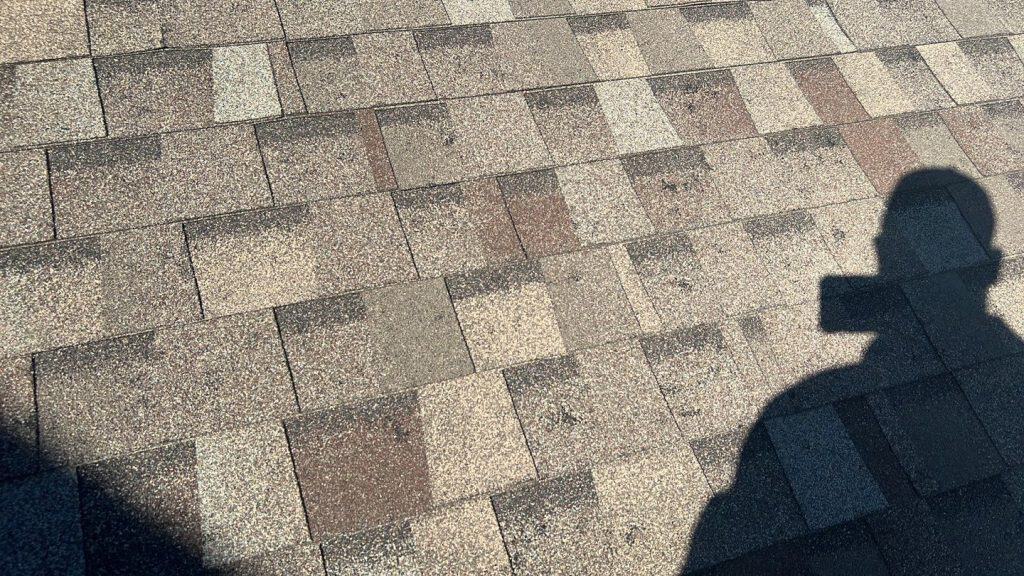
When comparing class 3 vs class 4 shingles for a Minnesota roof replacement, the difference comes down to impact resistance, cost, and whether the upgrade makes financial sense for your home. If you are getting a new roof in Minnesota, your contractor may ask whether you want standard shingles or impact-resistant shingles. That conversation usually comes down to one question: Class 3 or Class 4? Understanding the difference between these two ratings can help you make a smarter decision about one of the biggest home improvement investments you will make. When homeowners ask about class 3 vs class 4 shingles, the answer usually comes down to three things: how much better the protection is, how much more it costs, and whether the insurance savings make the upgrade pencil out.
In This Article
ToggleWhat Do Class 3 and Class 4 Mean?
The Class 3 and Class 4 ratings refer to a shingle’s impact resistance as measured by the UL 2218 impact resistance test. This is a standardized test developed by Underwriters Laboratories that simulates hail impact by dropping steel balls of specific sizes onto installed shingles from a height of 20 feet.
Class 3 shingles must withstand the impact of a 1.75-inch steel ball without cracking or fracturing. Meanwhile, Class 4 shingles must withstand the impact of a 2-inch steel ball dropped from the same height. Class 4 is the highest rating available for asphalt shingles and is the standard that qualifies a shingle as truly impact-resistant in the roofing industry.
How Class 3 and Class 4 Shingles Are Made Differently
The difference in performance comes down to materials and construction. Most standard architectural shingles, including popular options like the GAF Timberline HDZ and CertainTeed Landmark Pro, are Class 3 rated. They are made with standard fiberglass-reinforced asphalt and perform well in most conditions.
Class 4 shingles are typically made with SBS polymer-modified asphalt, which is essentially rubberized asphalt. The SBS modifier makes the shingle more flexible, which allows it to absorb impact stress rather than crack under it. This flexibility also benefits performance in cold weather, which matters in Minnesota where temperatures can drop well below zero.
Common Class 4 options include the Owens Corning Duration Flex, GAF Timberline AS II, Malarkey Vista, and CertainTeed NorthGate. Each uses SBS-modified asphalt to achieve the Class 4 rating.
How Much Better Is a Class 4 Shingle at Resisting Hail?
The difference is meaningful. In the UL 2218 test, a Class 4 shingle withstands a hailstone roughly 14 percent larger than what a Class 3 shingle is tested against. In real-world terms, this means Class 4 shingles are significantly more resistant to the quarter-to-golf-ball-size hail that is most common in Minnesota hailstorms.
Class 3 shingles are not unprotected. They offer solid resistance to moderate hail and perform well in most storm events. But in a significant hailstorm, Class 4 shingles are meaningfully more likely to come through without functional damage.
Does a Class 4 Shingle Qualify for an Insurance Discount?
In many cases, yes. Many homeowner’s insurance carriers offer premium discounts for homes with Class 4 impact-resistant shingles because they represent a lower risk of storm damage claims. The discount varies by carrier and by state, but in Minnesota it is not uncommon to see discounts in the range of 20 to 30 percent on the roof portion of your premium.
Before replacing your roof, call your insurance agent and ask directly whether they offer a discount for Class 4 shingles and what documentation they need. In some cases the annual savings can offset a meaningful portion of the cost difference between Class 3 and Class 4 shingles over time.
How Much More Do Class 4 Shingles Cost?
Class 4 shingles typically cost 10 to 25 percent more than comparable Class 3 shingles. On an average residential roof replacement in the Twin Cities, that difference might be in the range of $500 to $2,000 depending on the size of the roof and the specific products being compared.
When you factor in the potential insurance discount, the reduced likelihood of filing a hail damage claim, and the longer effective lifespan of a shingle that takes less damage from each storm, the cost difference often looks much more reasonable over a 20 to 30 year horizon.
Is a Class 4 Shingle Worth It for a Minnesota Home?
The class 3 vs class 4 shingles debate comes up on almost every roof replacement we do in the Twin Cities, and for most homeowners in our climate the answer leans toward Class 4. For most Minnesota homeowners, the answer is yes. Here is why.
Minnesota is one of the more hail-prone states in the country. The Twin Cities metro sees multiple significant hail events most years, and the freeze-thaw cycling that follows each season puts additional stress on shingles that have already taken impact damage. A Class 4 shingle that comes through a hailstorm without functional damage is a shingle that does not need to be replaced prematurely.
The case for Class 4 is strongest when you are already replacing your roof. The incremental cost is much smaller relative to the total project cost than it would be to replace the roof again in 15 years because of hail damage. If you are repairing a small section, the math is different.
Who Should Consider Staying With Class 3 Shingles?
Class 3 shingles are a solid choice and the right answer in some situations. If your budget is tight and the cost difference is a meaningful barrier, a quality Class 3 shingle from a reputable manufacturer is still a significant upgrade over an aging roof. If your insurance carrier does not offer a discount for Class 4 shingles, the financial case for upgrading is weaker. And if you are in an area with lower hail frequency, the risk-adjusted value of the upgrade is reduced.
The right answer depends on your specific situation. A good roofing contractor will walk you through the tradeoffs honestly rather than defaulting to whichever product has the better margin.
What First Impressions Exteriors Recommends
For most of our customers in the Twin Cities metro, we recommend Class 4 impact-resistant shingles when they are replacing their roof. The combination of better hail protection, potential insurance savings, and the longer effective lifespan of a shingle that takes less storm damage makes the upgrade worth it for the majority of homeowners in our climate.
We install Class 4 options from Owens Corning, GAF, Malarkey, and CertainTeed and can walk you through the specific products and price differences so you can make an informed decision.
Get a Free Roofing Estimate in the Twin Cities
If you are replacing your roof and want to understand your shingle options, contact First Impressions Exteriors for a free estimate. We will explain the differences, show you the products, and give you a clear picture of what each option costs so you can make the right decision for your home and your budget.