
Choose your siding. See it on your home first.
Vinyl, LP SmartSide, James Hardie fiber cement and steel siding from First Impressions Exteriors. We help you pick the right material for your home and for Minnesota weather.
Schedule Free EstimateCall 763-762-8934Siding materials we install
Each one keeps weather out. They differ in look, upkeep and how they handle a Minnesota winter.

Vinyl siding
A popular, practical choice with a wide range of colors, profiles and textures. It never needs painting.
- LookLap, shake and board-and-batten profiles
- UpkeepWash as needed. No repainting.
- BenefitsCost-effective and low upkeep, in many colors, textures and styles
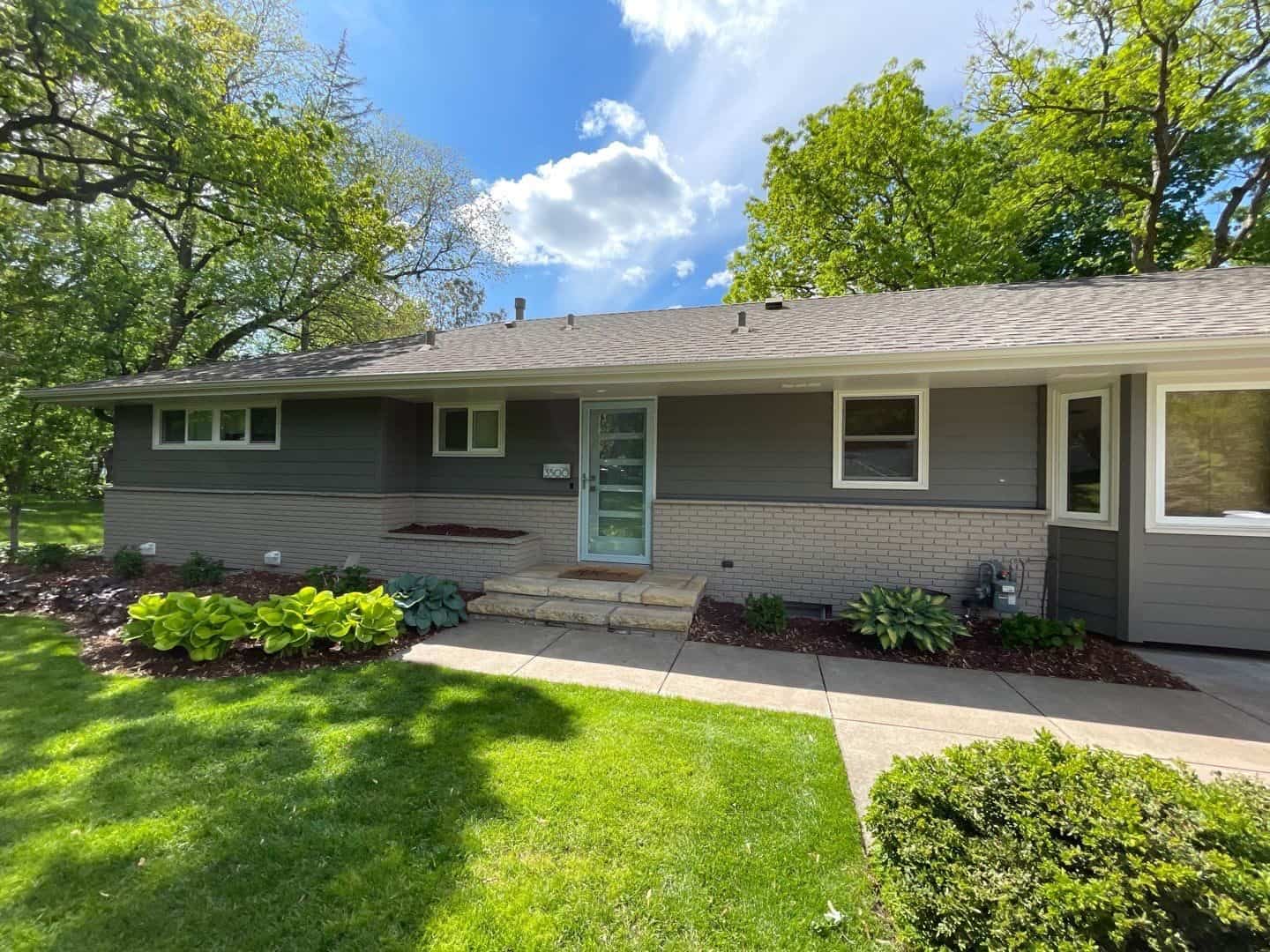
LP SmartSide
Engineered wood strands, treated through the board with LP SmartGuard, with the grain and shadow lines of real cedar.
- LookCedar-grain or smooth, in lap, shake and panel profiles
- UpkeepPrefinished ExpertFinish colors, or painted
- BenefitsMade to resist moisture and insects, with a natural wood look
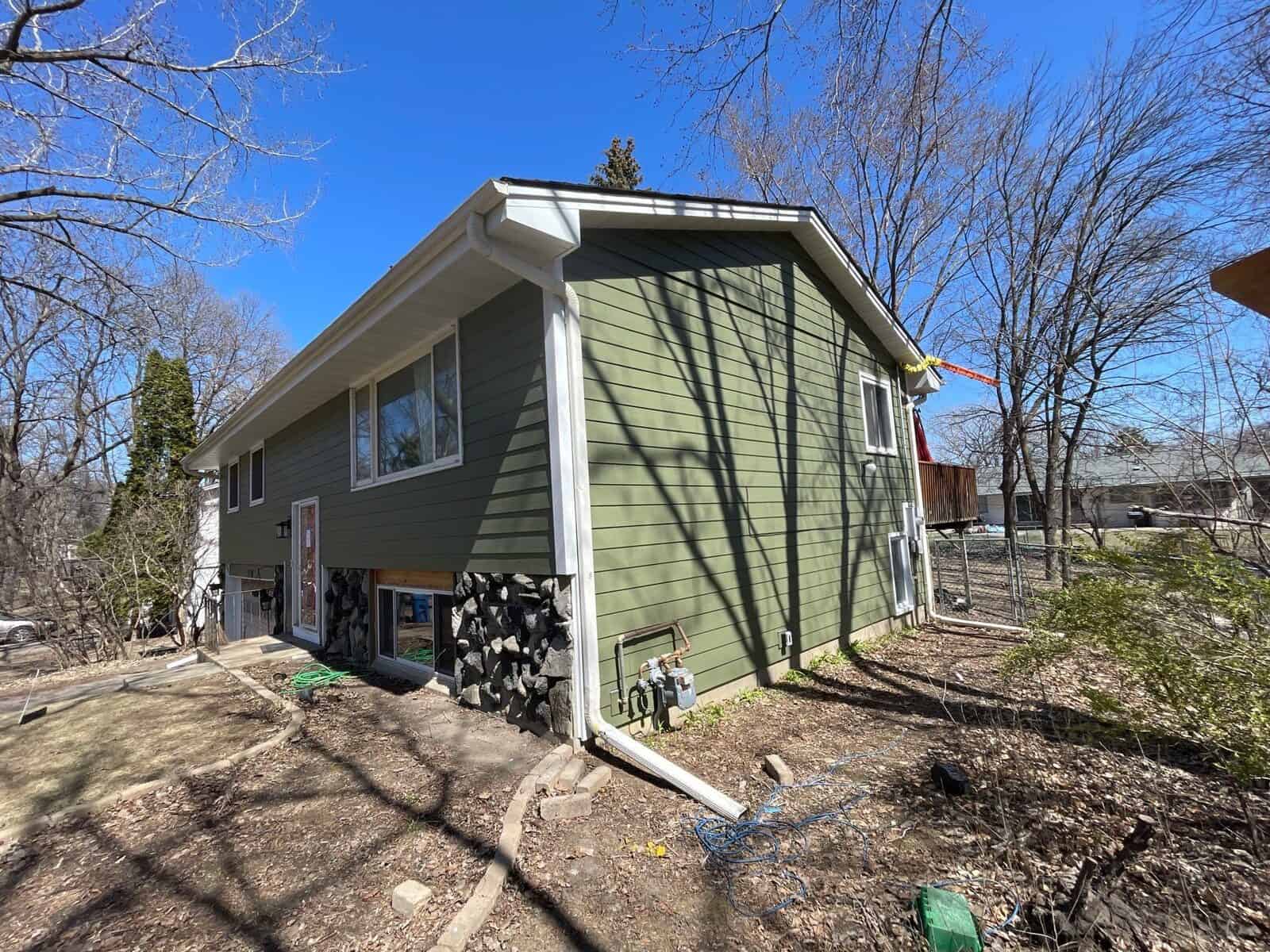
James Hardie
Cement-based planks, shingles and panels. James Hardie makes its HZ5 line for climates with freezing temperatures and big seasonal swings.
- LookLap, shingle and vertical panels in many colors
- UpkeepFactory-finished or painted, with repainting down the road
- BenefitsResists rot and termites
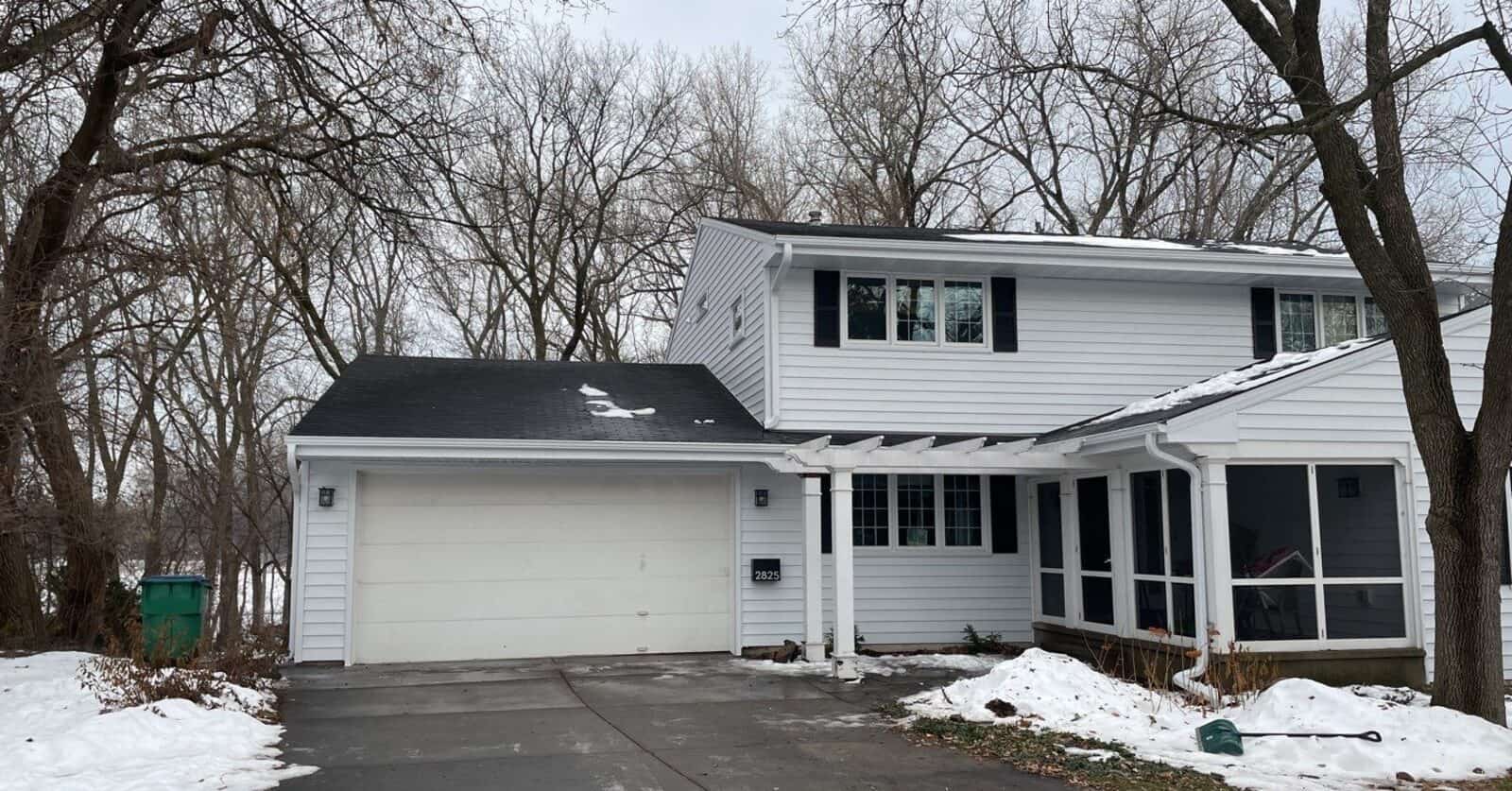
Steel siding
Steel siding is a low-upkeep option. We install Edco ENTEX, and Edco says its steel does not absorb water and is non-combustible.
- LookLap profiles in a range of colors, depending on the manufacturer
- UpkeepLow. Rinse when dirty.
- BenefitsLow upkeep, with a clean, modern look

Soffit and fascia
Siding covers the walls. Soffit and fascia finish the roof edge above them, and they are worth doing at the same time so the whole exterior matches.
- Soffit
- The underside of the roof overhang, between the edge of the roof and the wall. Vented soffit lets air into the attic.
- Fascia
- The board along the roof edge that you see from the ground. It closes off the end of the roof, and gutters hang from it.
We install aluminum soffit and fascia in colors that match your siding and trim.
 Example Hover 3D rendering. Not a finished First Impressions project.
See your home with new siding before you commit
We build a free 3D model of your actual house with Hover, then design it with you. You can try the choices on your home instead of picturing them from a small sample.
We model your home
A 3D model of your own house, built for your estimate.
We design it with you
We run different renderings with different materials, colors and profiles until it looks right.
You hold real samples
Screens never tell the whole story, so you review physical samples too before you decide.
Signs it may be time to re‑side
Faded or dirty siding is not always failed siding. What matters is whether the siding is still doing its job and whether water is getting behind it.
Often repairable
- Fading or chalky color with no cracks
- Dirt or mildew that washes off
- A few cracked vinyl panels, or a few wood boards with peeling paint
- Minor rot on isolated boards
Points toward replacement
- Water stains, bubbling or blistering, or moisture behind the siding
- Rot, or boards that are soft or spongy, in several places
- Warped, cracked or loose siding across a wall
- Repairs that keep coming back, or old siding you can no longer match
- Widespread hail or storm damage
What to look for around your house
Wood and engineered wood
- Darkened, soft or spongy boards
- Rot, fungal growth or soft spots that need closer inspection
- Paint that peels or bubbles again and again
- Boards that cup, buckle or crack
Vinyl
- Warped, rippled or buckled panels
- Cracks and holes, which show up most in the cold
- Loose panels that have pulled away from the wall
- Heavy fading or chalky color
Moisture, on any siding
- Water stains, bubbling or blistering
- Mold, mildew or fungus along seams
- Peeling paint or wallpaper on interior walls
- Mold alone does not always mean replacement. Find the moisture source first.
Pests, age and repairs
- Holes, chew marks or nests in the siding
- Siding near the end of its expected life, together with other signs on this list. Industry sources put most siding at roughly 20 to 50 years, depending on material. Age alone is not a reason to replace.
- Patches and repairs you keep having to redo
What homeowners ask
How do I know if my siding needs to be replaced?
Start with how widespread the problem is and whether water is getting behind the siding. A few damaged pieces can often be repaired. Problems across whole walls, damage that keeps coming back, or moisture behind the siding point toward replacement. Age or fading alone does not mean siding has failed.
Why is my vinyl siding bubbling or wavy?
Bubbling or waves can have more than one cause: moisture trapped behind the siding, heat from the sun or from reflections off nearby windows, or siding installed with no room to expand and contract. An inspection can tell which it is, and that decides whether a repair will hold.
What does water damage behind siding look like?
Soft or spongy spots, mold or mildew, warped or buckled boards, peeling paint and stains, sometimes with water marks on the interior wall. A visual check outside and inside the house, or a professional inspection, can confirm whether moisture is behind the siding.
Can I replace just a few pieces?
Often, if the damage is isolated and the wall behind is dry and solid. If the siding is discontinued or faded, a match can be hard, and that is part of the repair or replace call.
Not sure which side you are on? We will look at it for free and tell you straight, including when a repair is the better call.
We offer financing
We go over the financing options with your estimate, then guide you through a simple application with one of our financing partners.
Learn about financing optionsWhat a siding project involves
Siding is only the outer layer. How the wall is built behind it decides how well the job holds up.
Free estimate visit
We look over your siding and talk through what we see and what you want.
3D model and samples
You see your options on your home and hold the real samples before you choose.
Permit and inspection
We pull a building permit on all the work we do, and the city signs off on the inspection. We follow local building codes and the manufacturer's installation instructions.
Old siding off, wall checked
We remove the old siding and check the wall sheathing. We replace any sheathing that needs it. If hidden damage turns up, we tell you.
Weather-resistant barrier and flashing
House wrap goes on as the weather-resistant barrier, installed to building code and the manufacturer's instructions. Flashing tape goes around all windows, and drip cap flashing goes above openings, horizontal trim and decks.
New siding installed
Then we install your new siding.
Supervision and final cleanup
A dedicated project manager guides you through, with on-site supervisors keeping the work on track. We finish with a final cleanup and leave your property clean.
See siding on real Twin Cities homes
We are adding more completed siding projects to our project hub.
Browse completed projectsSiding questions
How much does siding replacement cost in Minnesota?
It depends on the size of your home, the material you choose and the scope of the work, including any sheathing repair once the old siding is off. We give you a detailed estimate after a free inspection, with no pressure and no obligation.
What is the best siding for Minnesota homes?
It depends on your house, your budget and how much upkeep you want. Vinyl and steel need no painting, LP SmartSide gives the look of wood, and James Hardie fiber cement is made in an HZ5 line for freezing climates. We compare them on your home with a 3D model and real samples.
How long does siding last in Minnesota?
Lifespan varies by material, exposure and installation quality. Industry sources put most siding at roughly 20 to 50 years depending on material. Minnesota freeze-thaw cycles and hail can speed up wear, so flashing and the water barrier matter. Warranties are a starting point, and each has conditions and exclusions.
Can siding be repaired instead of replaced?
Often yes, if damage is isolated. Replacement makes more sense when damage is widespread, moisture is behind the siding, or old siding cannot be matched. Older vinyl can be hard to match by color. We tell you which applies once we have looked at your home.
How do I know if my siding needs to be replaced?
Common signs include cracking, warping, loose or missing panels, fading, hail damage, moisture behind the siding, rot and mold. See the signs above, or have us take a look for free and tell you what we find.
Do you help with insurance claims for hail and wind damage?
Yes. We document the damage, meet with adjusters and help make sure the repair scope is complete.
Can you match my existing siding for a repair?
Sometimes. Older or discontinued siding can be hard to match because of fading, manufacturer changes or discontinued colors and profiles. We check your existing siding and tell you honestly whether a match is feasible before any work begins.
How long does a siding replacement take?
Our projects typically take two days to two weeks, depending on the size of the home, weather and the details of the job. We give you a timeline with your estimate and keep you updated as work goes on.
Will new siding improve my home's energy efficiency?
Siding alone does only so much. Housewrap, insulation, air sealing and flashing details matter more, and a replacement is the chance to get them right. Done well, that can help with drafts and heat loss.
Do I need to be home during siding installation?
Not necessarily. Many homeowners keep their normal routines. We ask that vehicles be moved and pets be kept away from the work area, and we keep you updated throughout.
Get a free siding estimate
Tell us about your home. We will look at it, answer your questions and quote the job with no pressure.
Schedule Free EstimateCall 763-762-8934