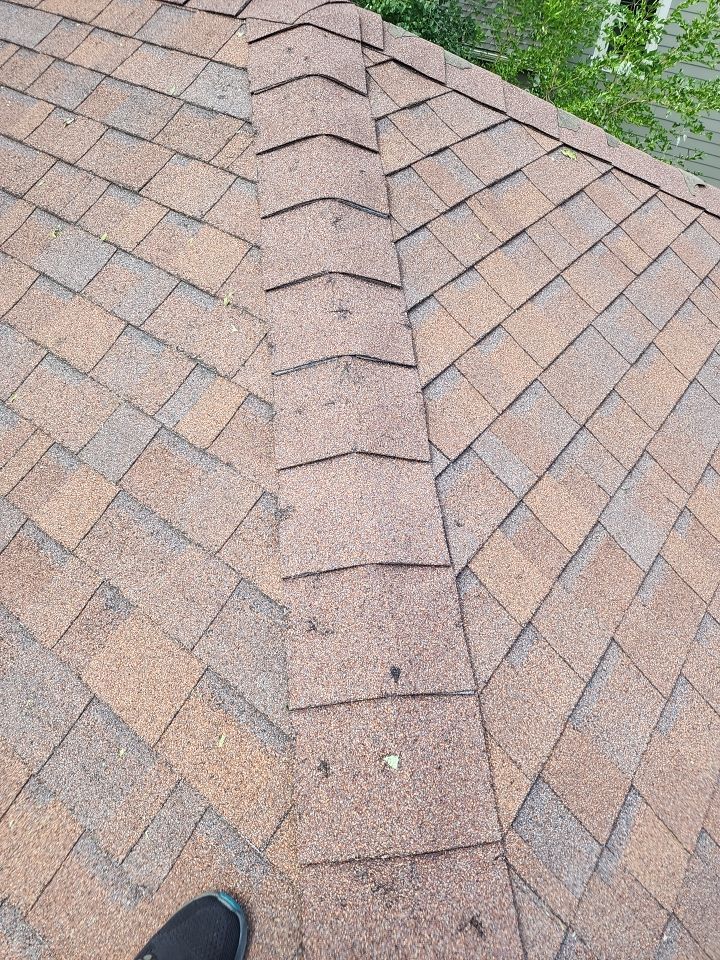
Minnesota sees dozens of significant hailstorms every year. For homeowners, that means your roof is regularly taking a beating, and the damage isn’t always obvious from the ground. Understanding how hail affects your shingles and what steps to take after a storm can save you thousands of dollars and a lot of headache.
In This Article
ToggleWhat Hail Actually Does to Your Shingles
When hailstones hit an asphalt shingle, they knock granules loose from the surface. Those granules are not just cosmetic. they protect the asphalt layer underneath from UV rays and weather. Once they’re gone, the exposed asphalt begins to dry out, crack, and deteriorate at an accelerated rate.
The damage shows up in a few different ways depending on the size of the hailstones and the age of your shingles.
Types of Hail Damage
Functional damage is the kind that affects your roof’s ability to perform. This includes soft spots or bruising on the shingle surface, cracked or fractured shingles, exposed asphalt where granules have been knocked away, and damage to metal components like flashing, vents, and ridge cap.
Cosmetic damage affects the appearance of the shingles but doesn’t immediately compromise their function. Insurance companies sometimes try to classify damage as cosmetic to avoid paying a claim, which is why having an experienced contractor inspect your roof after a storm matters.
What Size Hail Causes Damage?
Hailstones as small as one inch in diameter can cause functional damage to asphalt shingles, especially on older roofs. Larger hailstones of 1.5 inches or more can crack shingles outright and cause significant damage to gutters, siding, and skylights in a single storm.
Class 4 impact-resistant shingles are tested to withstand hailstones up to two inches in diameter without cracking. If you live in a hail-prone area of Minnesota, upgrading to a Class 4 shingle at your next replacement is worth serious consideration, and many insurance companies offer a discount for it.
Why Hail Damage Is Easy to Miss
Hail damage is not always visible from the ground. What looks like a fine roof from the street may have dozens of impact points that are only visible up close. This is why a professional inspection after a significant storm is important even if you don’t see obvious damage.
Left unaddressed, granule loss leads to accelerated shingle aging, which leads to leaks, which leads to interior water damage. What starts as an insurance claim often becomes a much larger problem if it goes ignored.
What To Do After a Hailstorm
First, don’t get on your roof yourself. Wet or damaged roofing materials are slippery and unstable.
Second, contact a reputable local roofing contractor for an inspection. Be cautious of storm chasers: out-of-state contractors who show up door to door after major storms. They often do substandard work and are gone before problems surface.
Third, if damage is confirmed, file a claim with your insurance company promptly. Most policies have a deadline for storm damage claims. A good contractor will document the damage thoroughly and work directly with your adjuster to make sure the full scope of damage is covered.
How First Impressions Exteriors Handles Storm Damage Claims
Our team has extensive experience working with insurance adjusters throughout the Twin Cities metro. We document damage thoroughly with photos and measurements, provide detailed estimates, and advocate for our customers when adjusters underscope a claim. We know the supplement process and we use it when needed to make sure you get what you’re entitled to.
If your area has been hit by a hailstorm recently, contact us for a free inspection. We’ll give you an honest assessment of your roof’s condition and walk you through your options.
Request a Free Hail Damage Inspection
First Impressions Exteriors provides free storm damage inspections for homeowners throughout the Twin Cities metro. If your roof took a hit, don’t wait. Contact us today and we’ll get eyes on it.